Bronze sculptures as part of the Thames Tideway
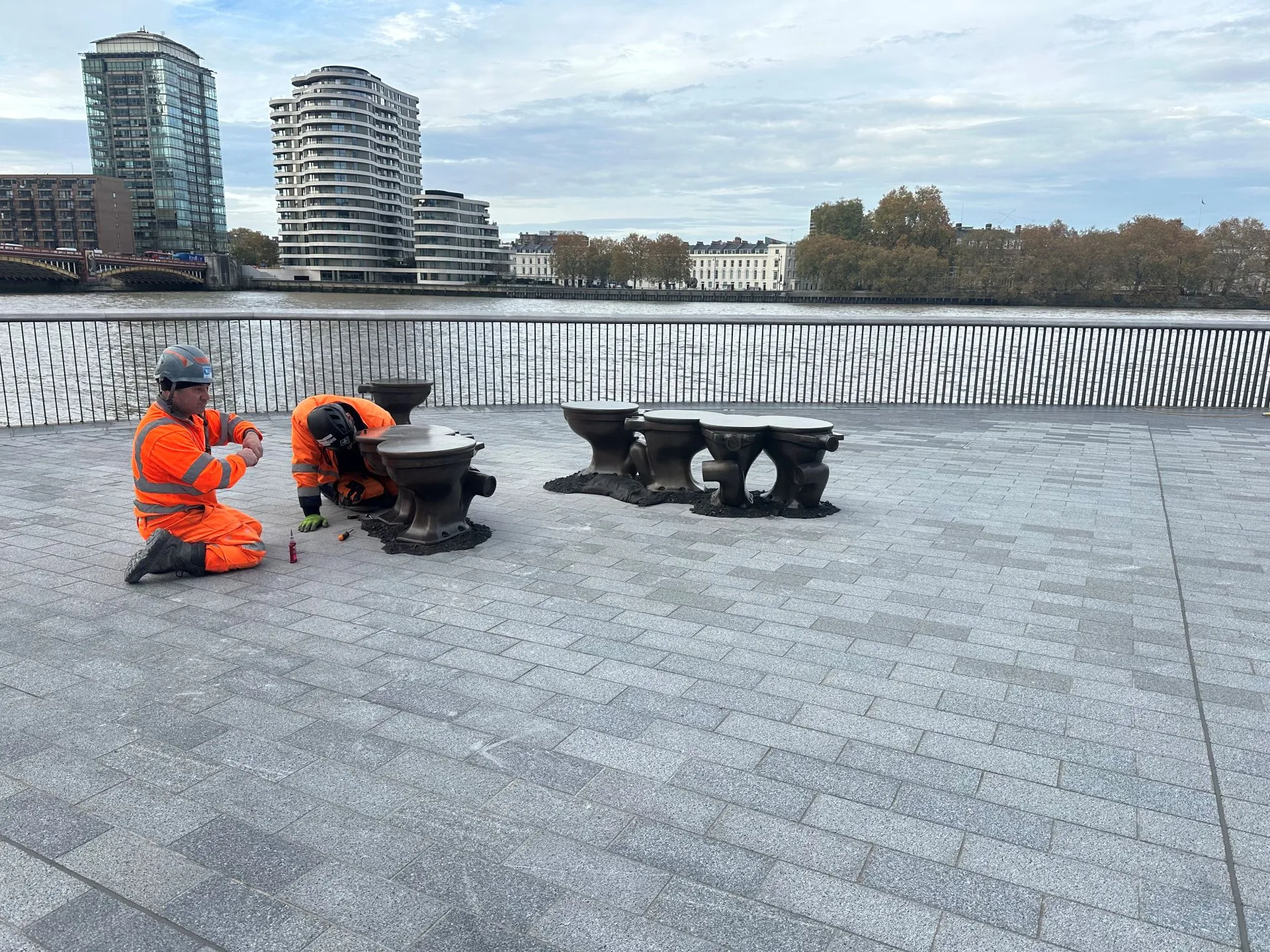
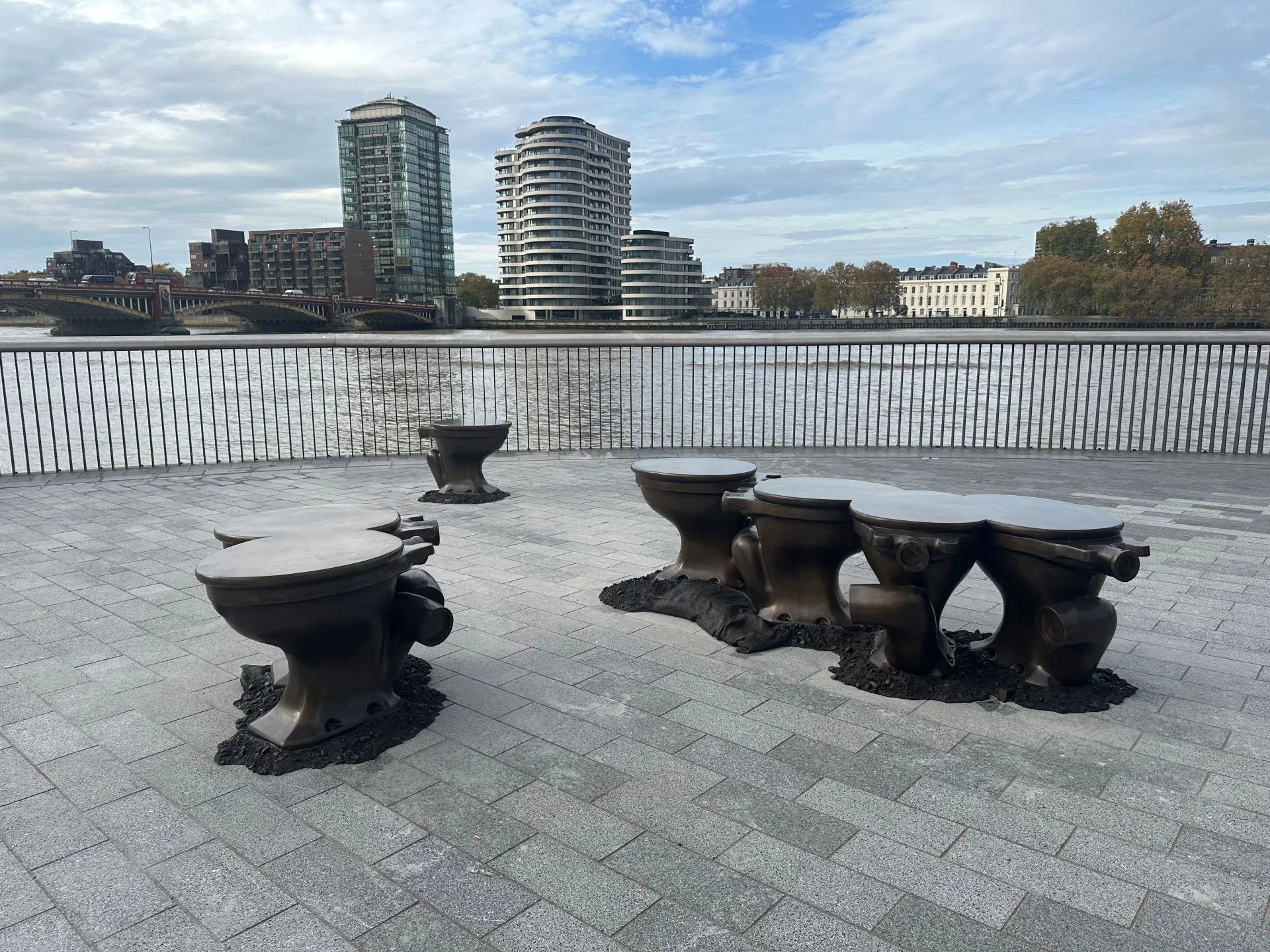
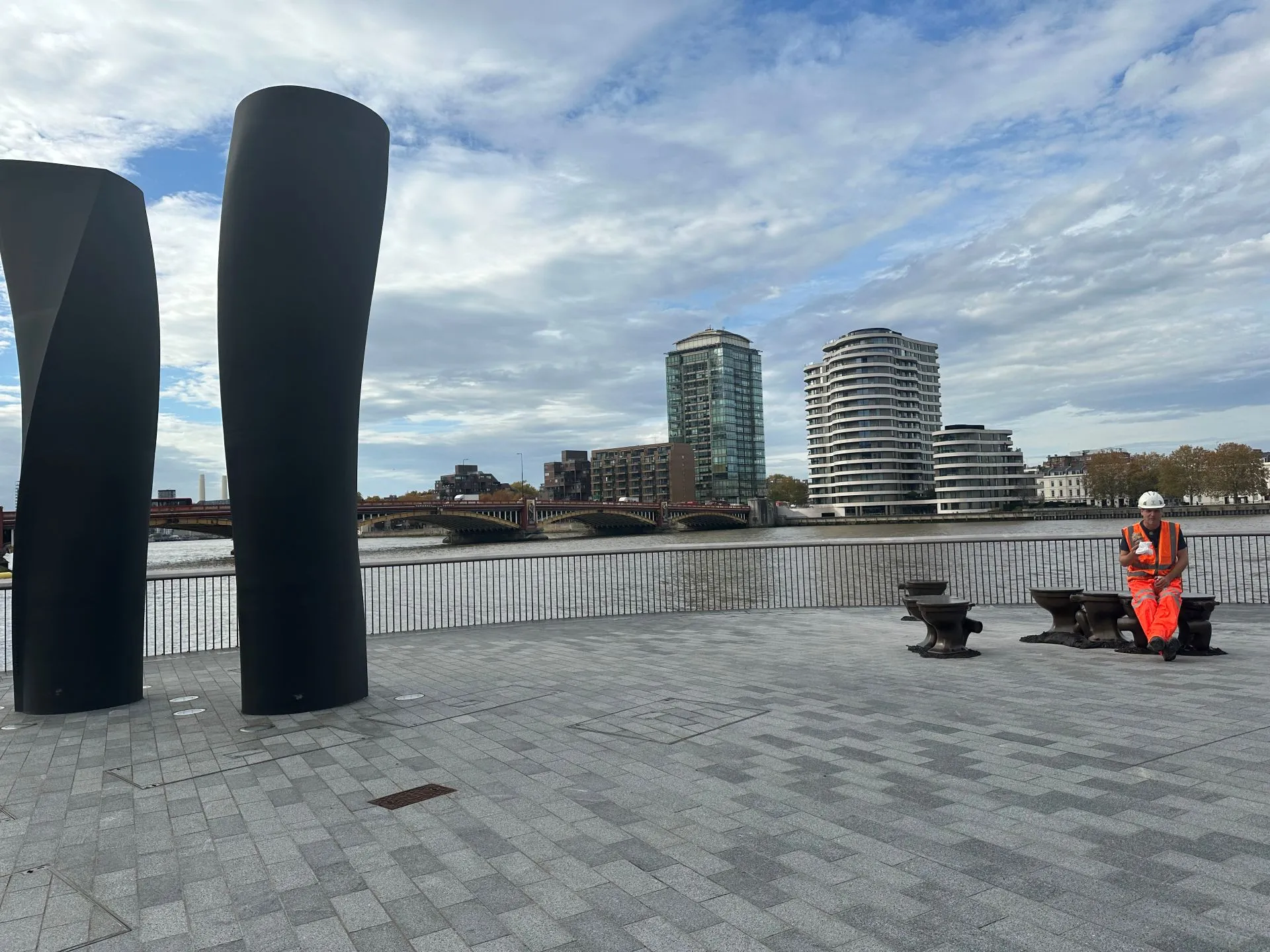
Along the Thames, near the Victoria & Albert Museum, infrastructure is making way for something unexpected. As part of the Thames Tideway, the large-scale project to clean up the river, ventilation shafts here have been combined with public space and art.
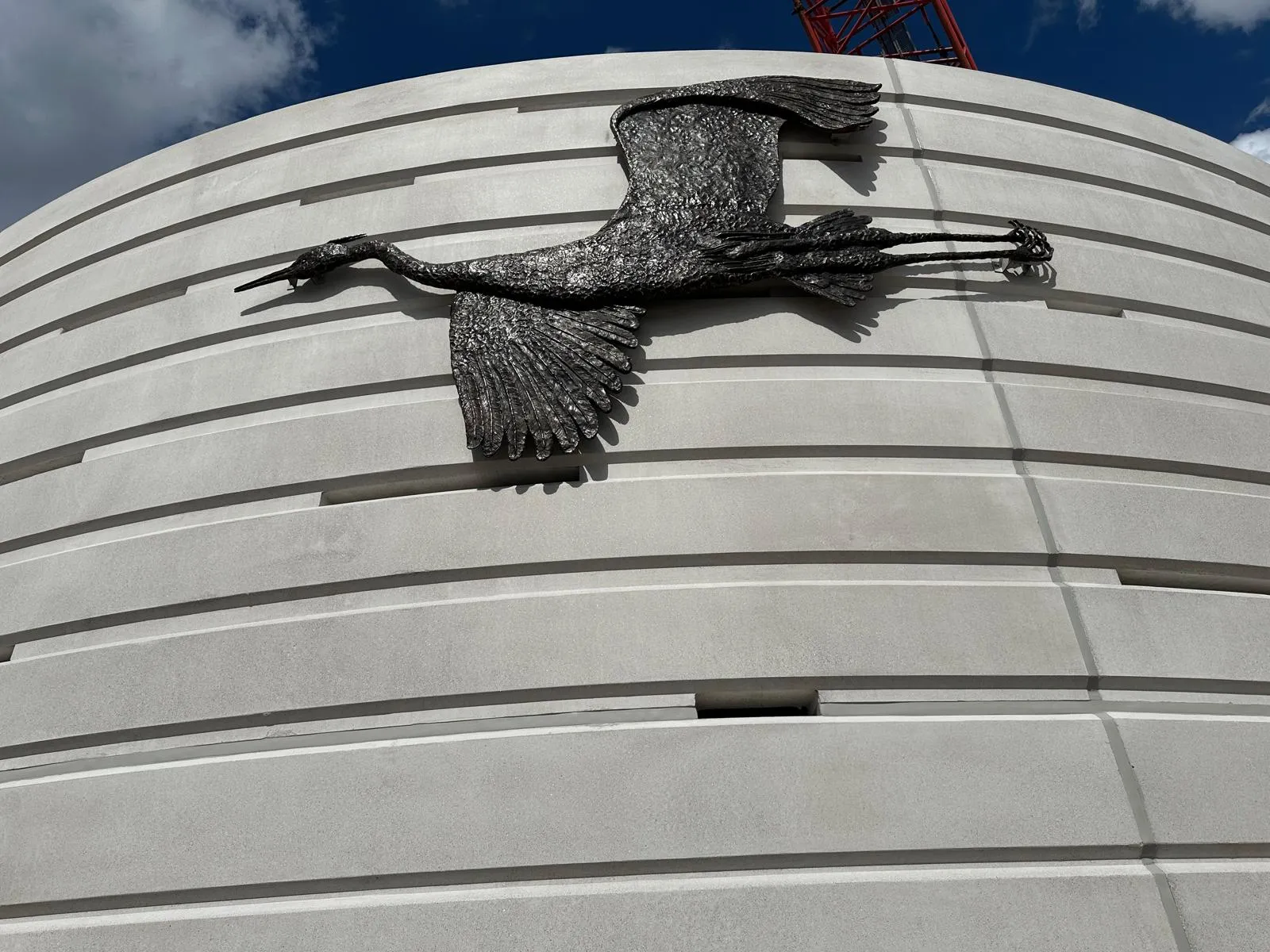
Instead of anonymous technical objects, there are striking sculptures here that immediately catch the eye. Not as decoration, but as an integral part of the design.
Poo Art: a tongue-in-cheek nod with a serious message
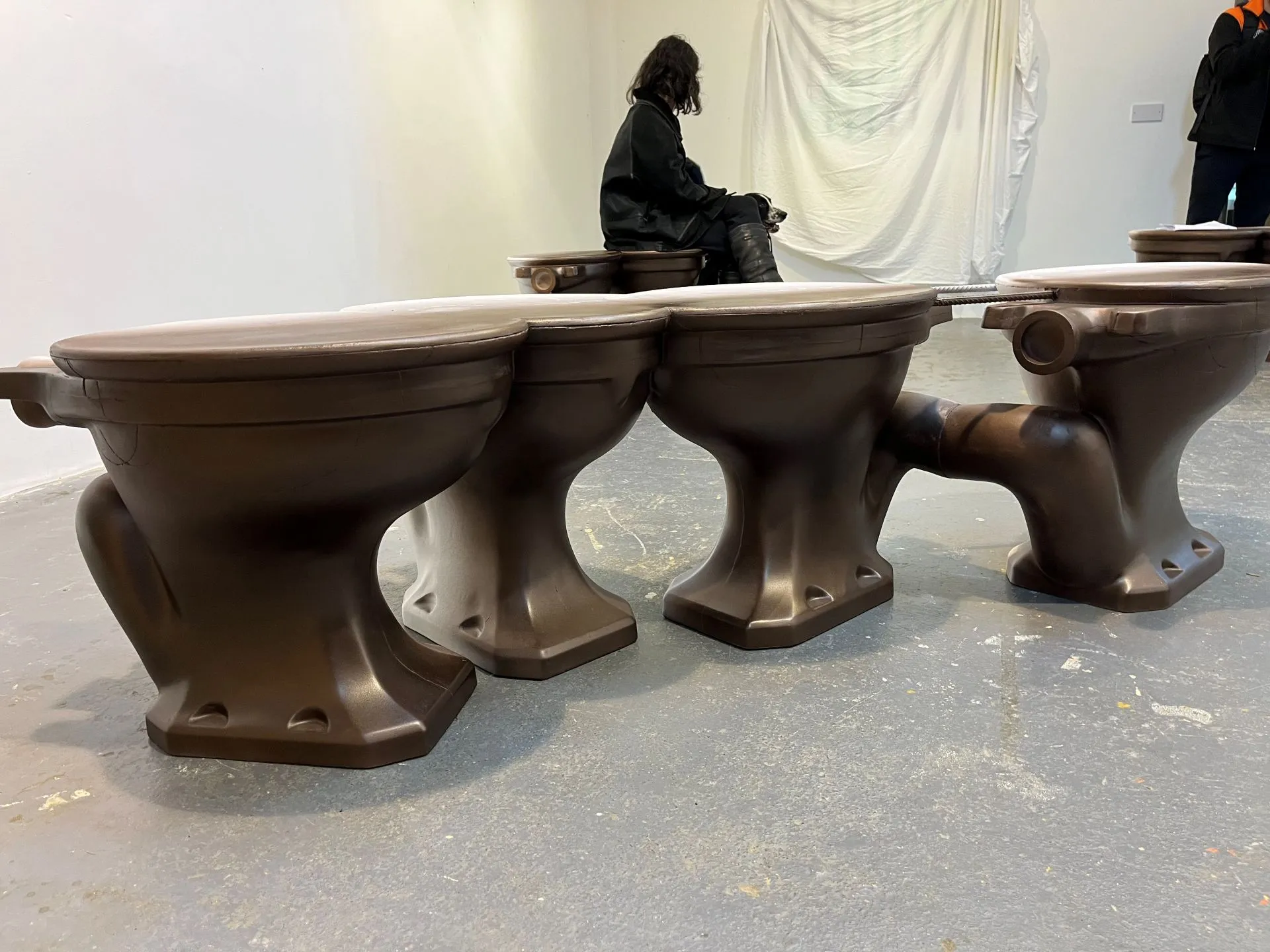
Central to this project are the sculptures by Richard Wentworth. His work, referred to as ‘Poo Art’, plays with form, scale and context.
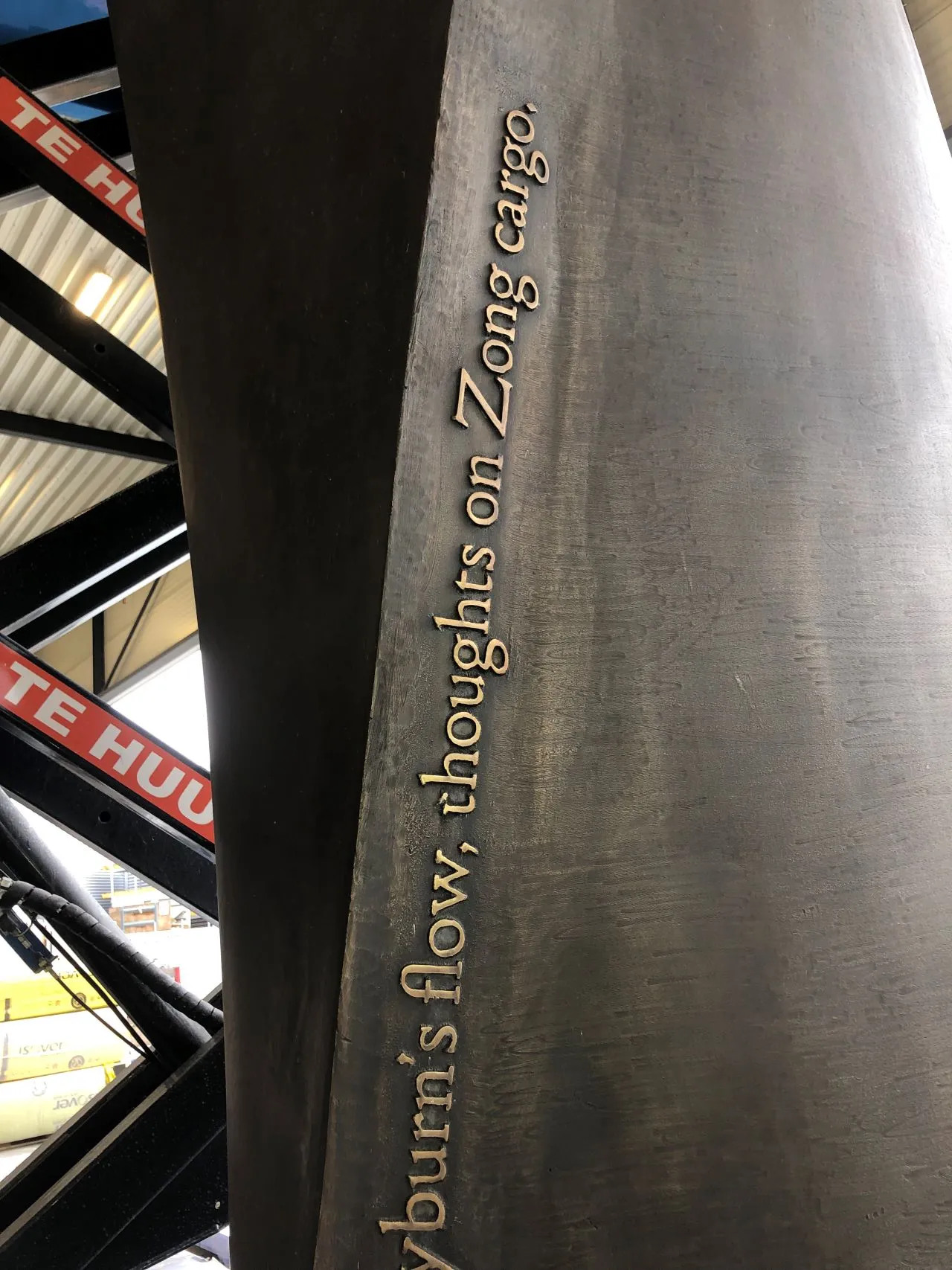
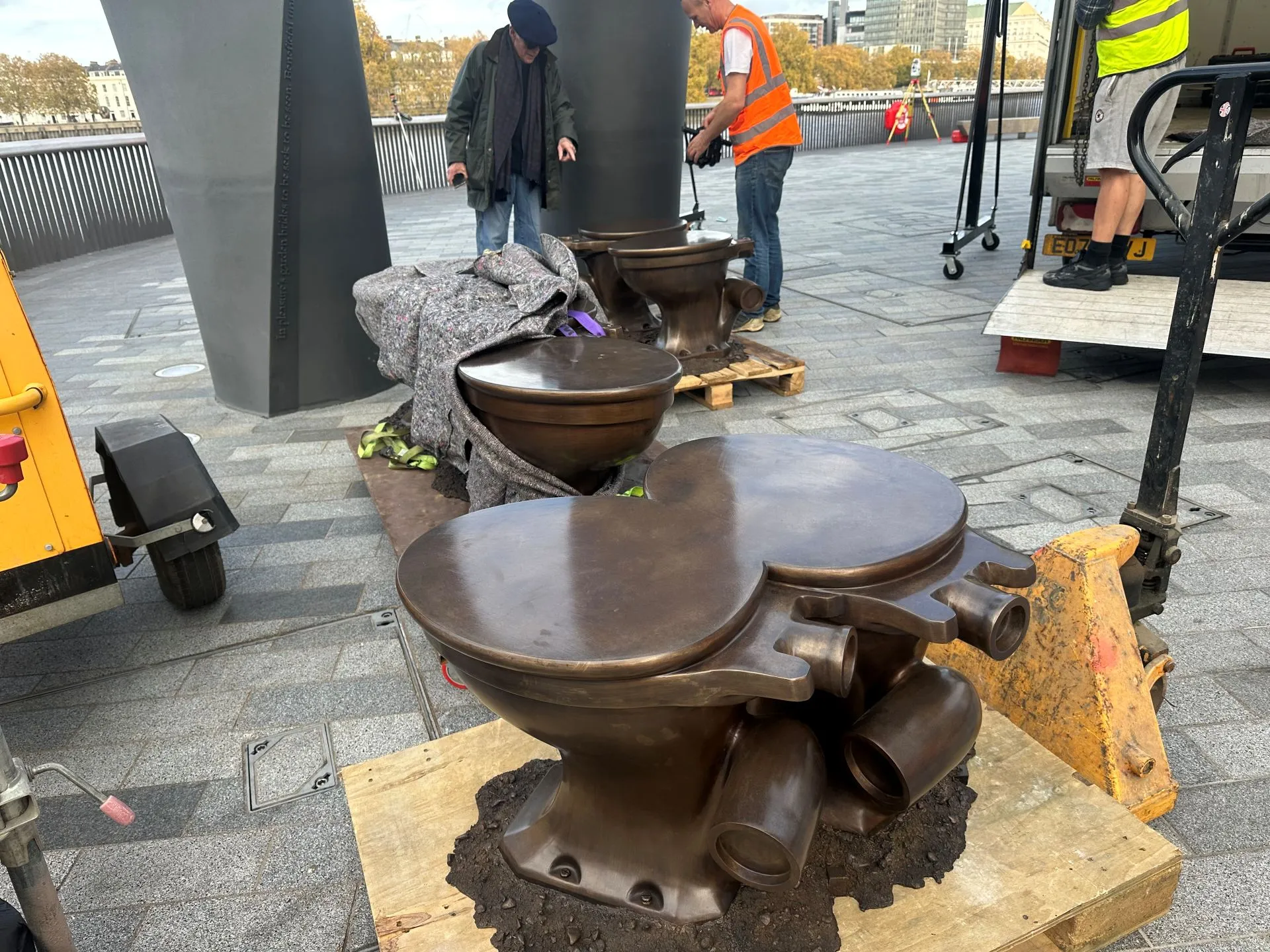
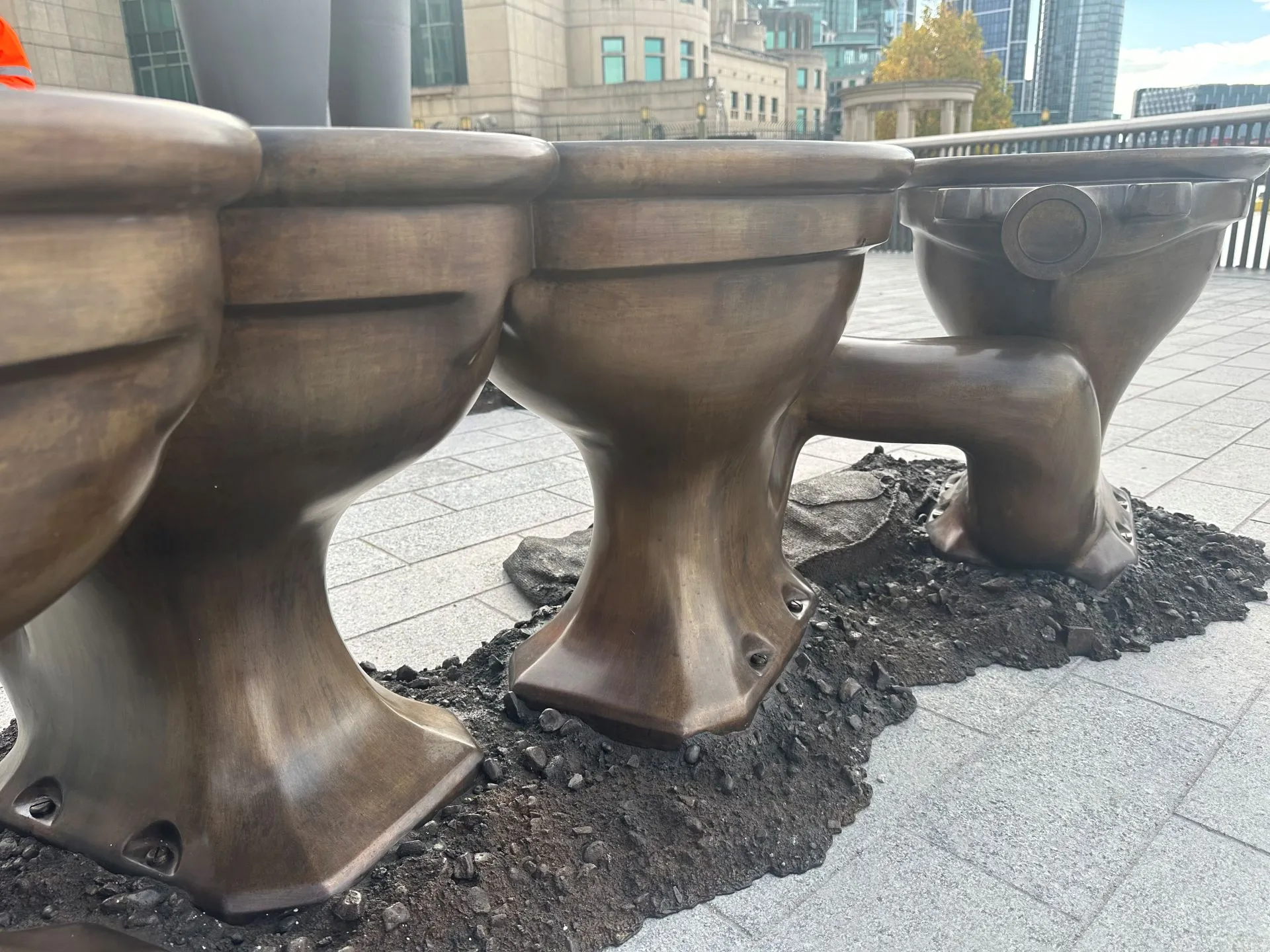
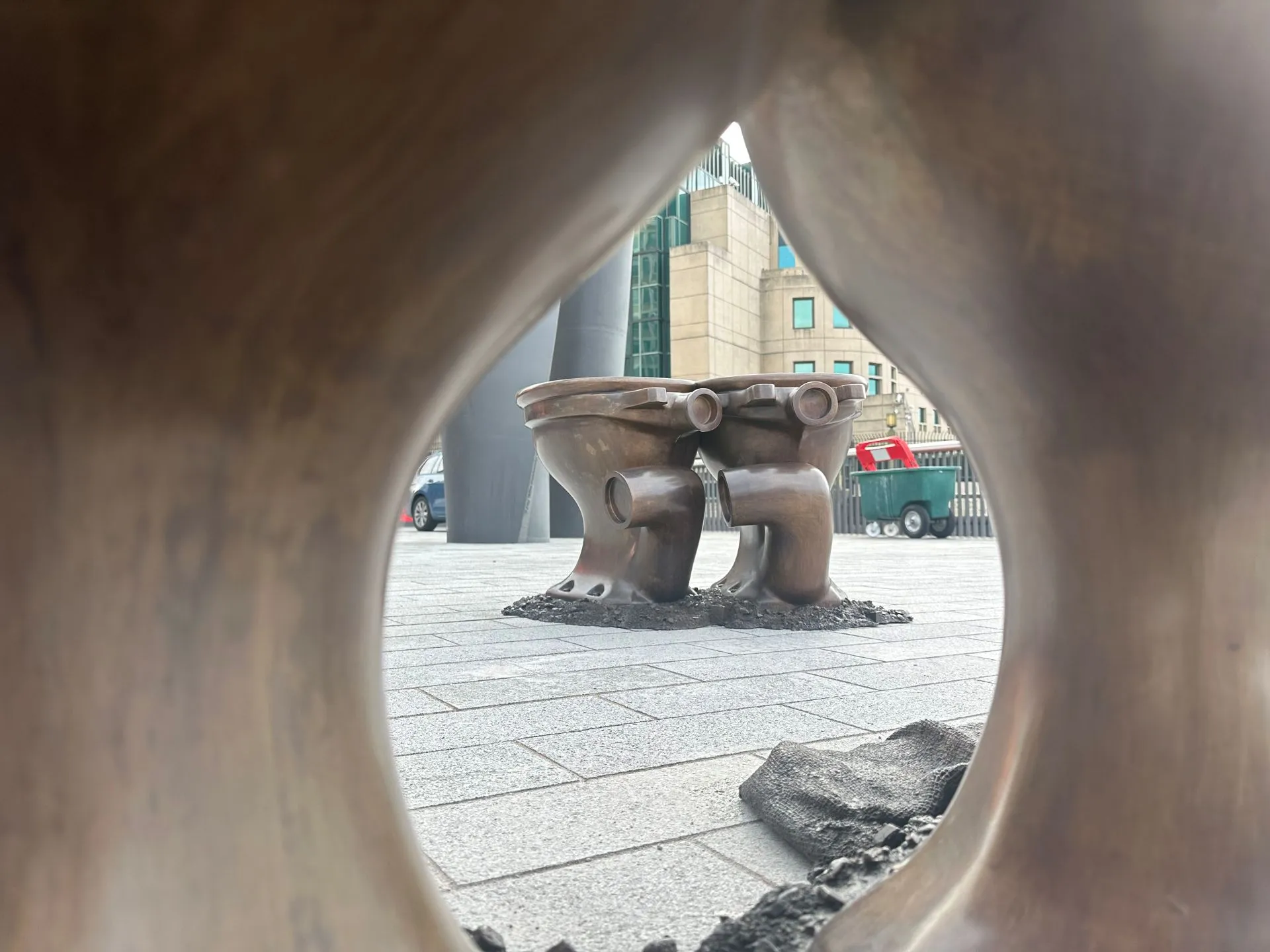
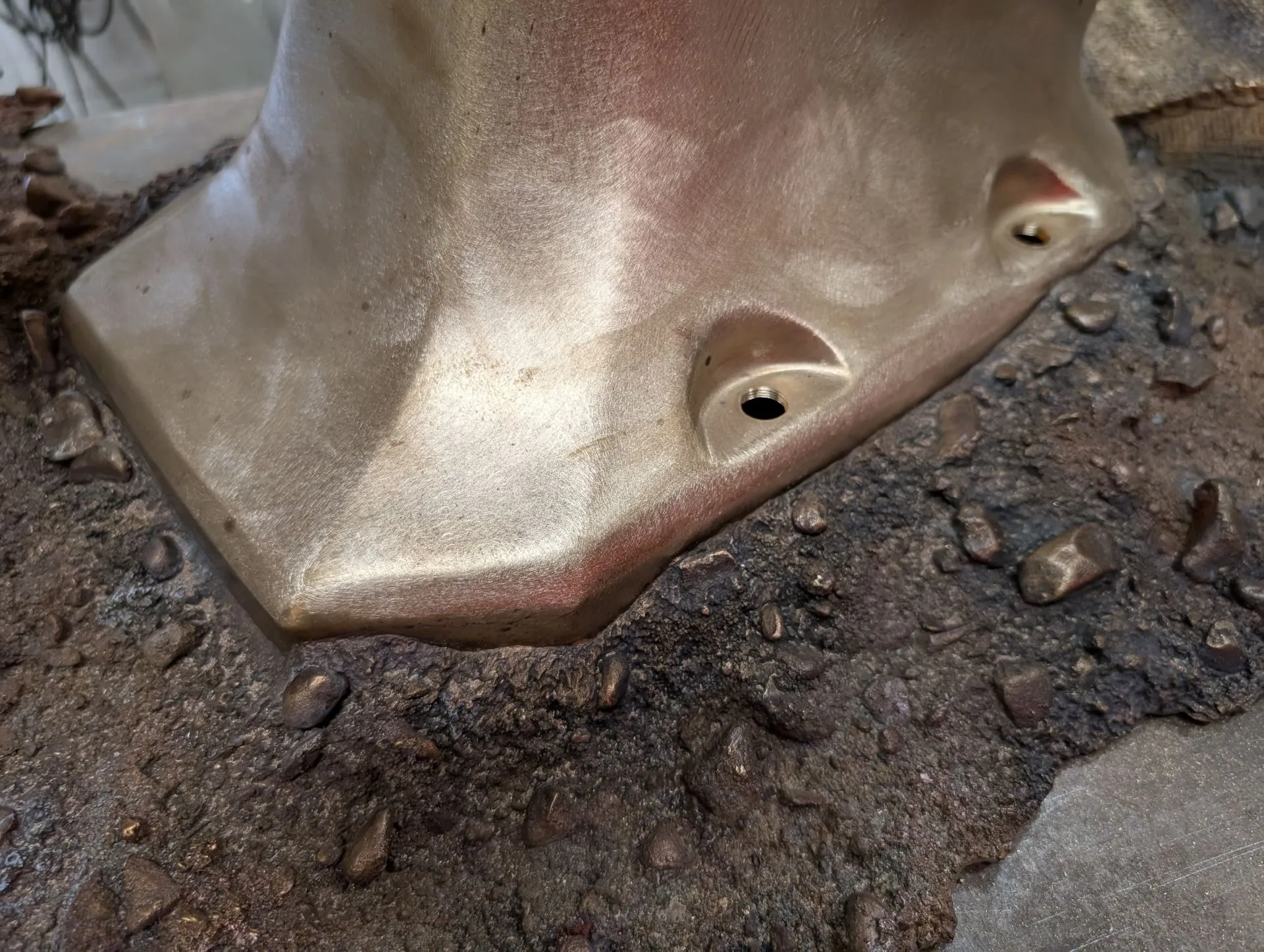
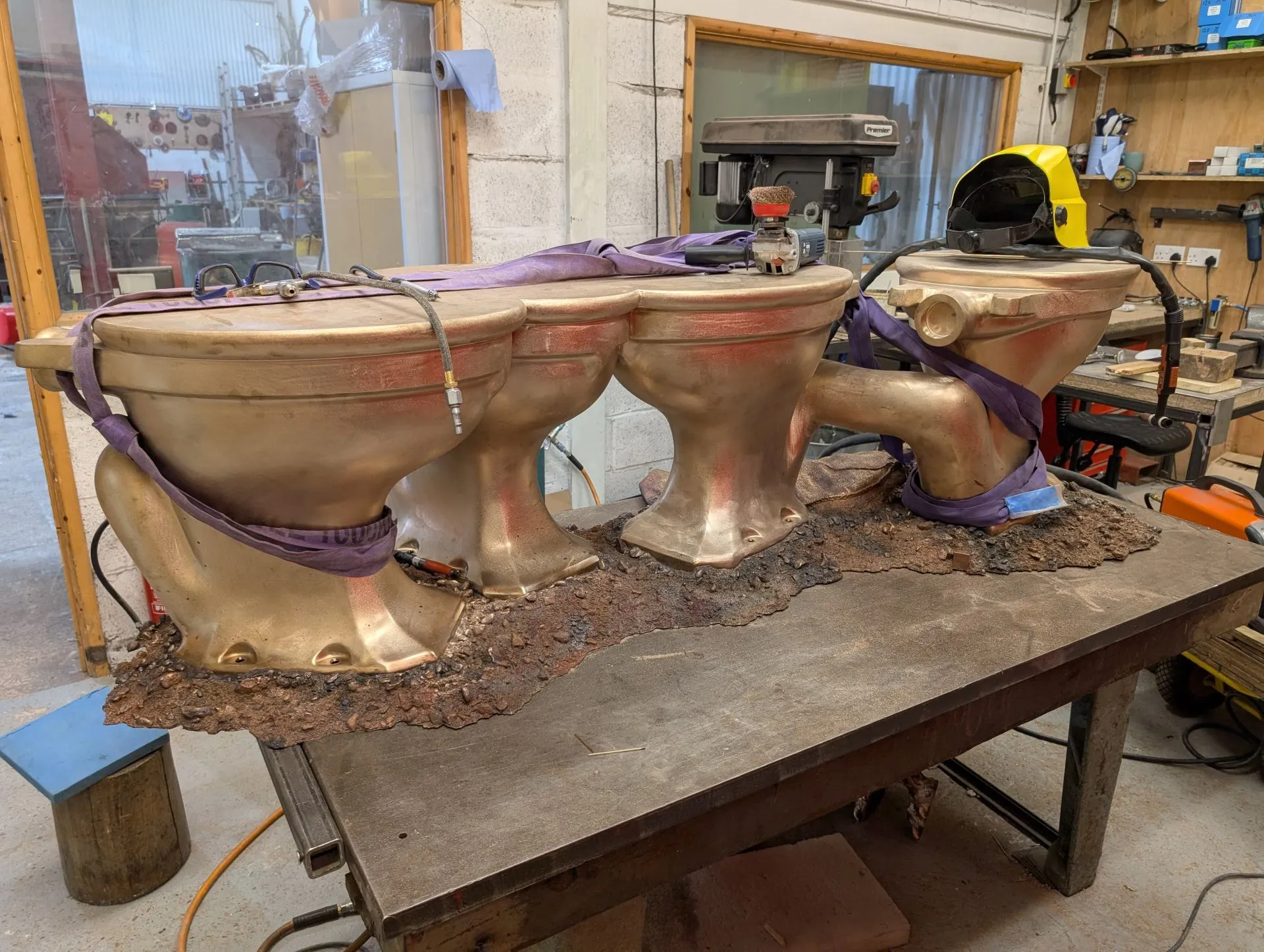
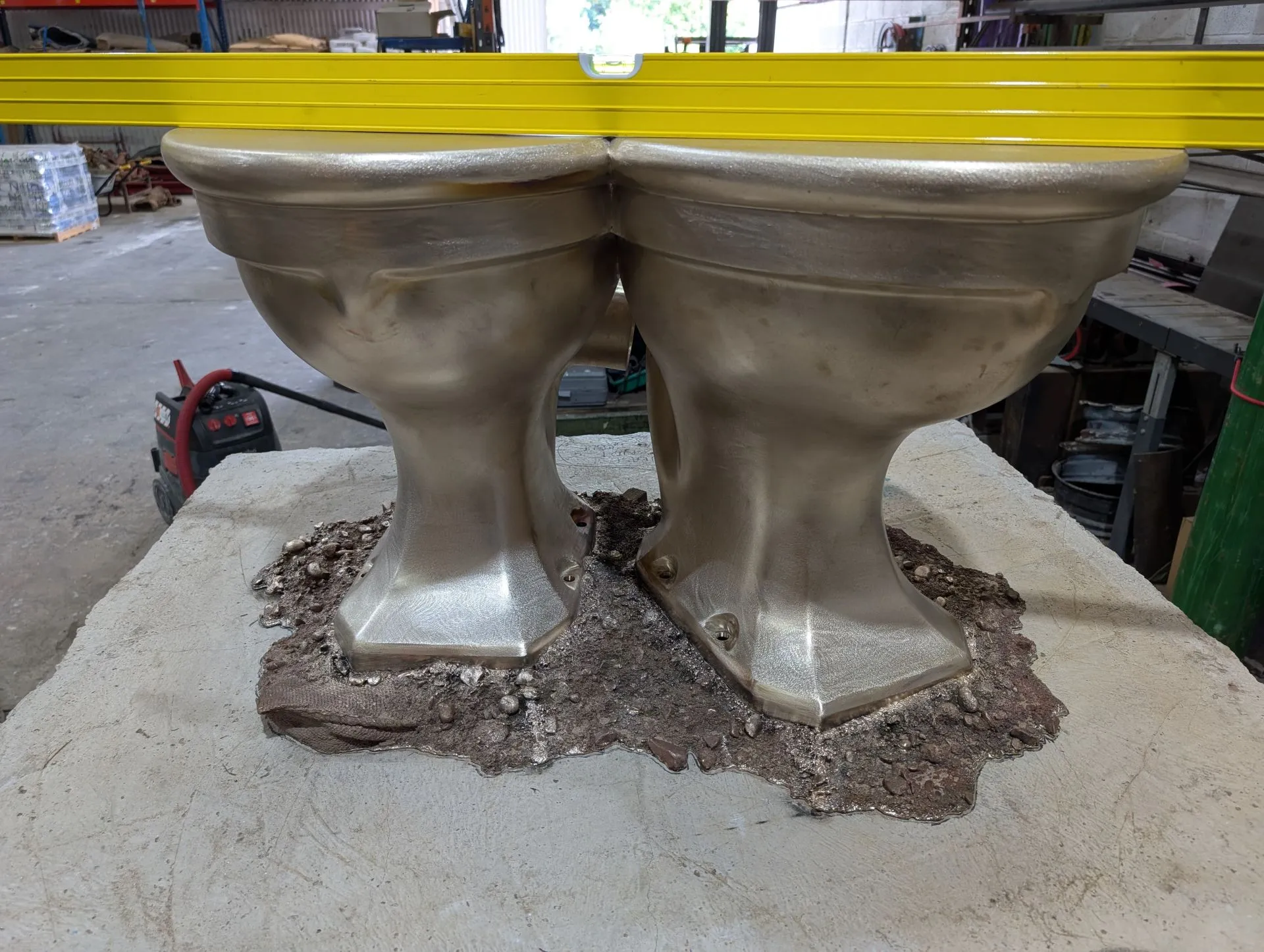
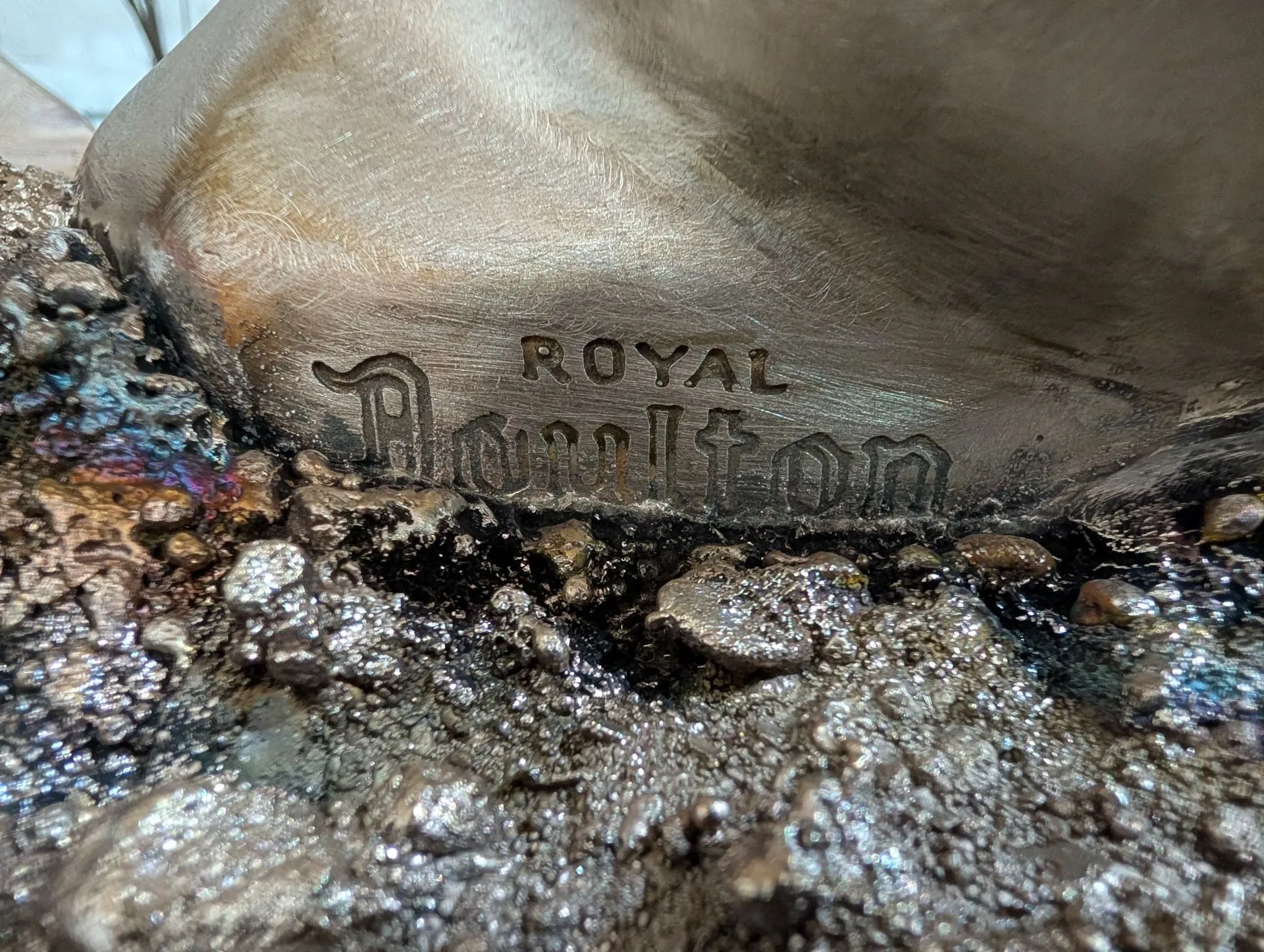
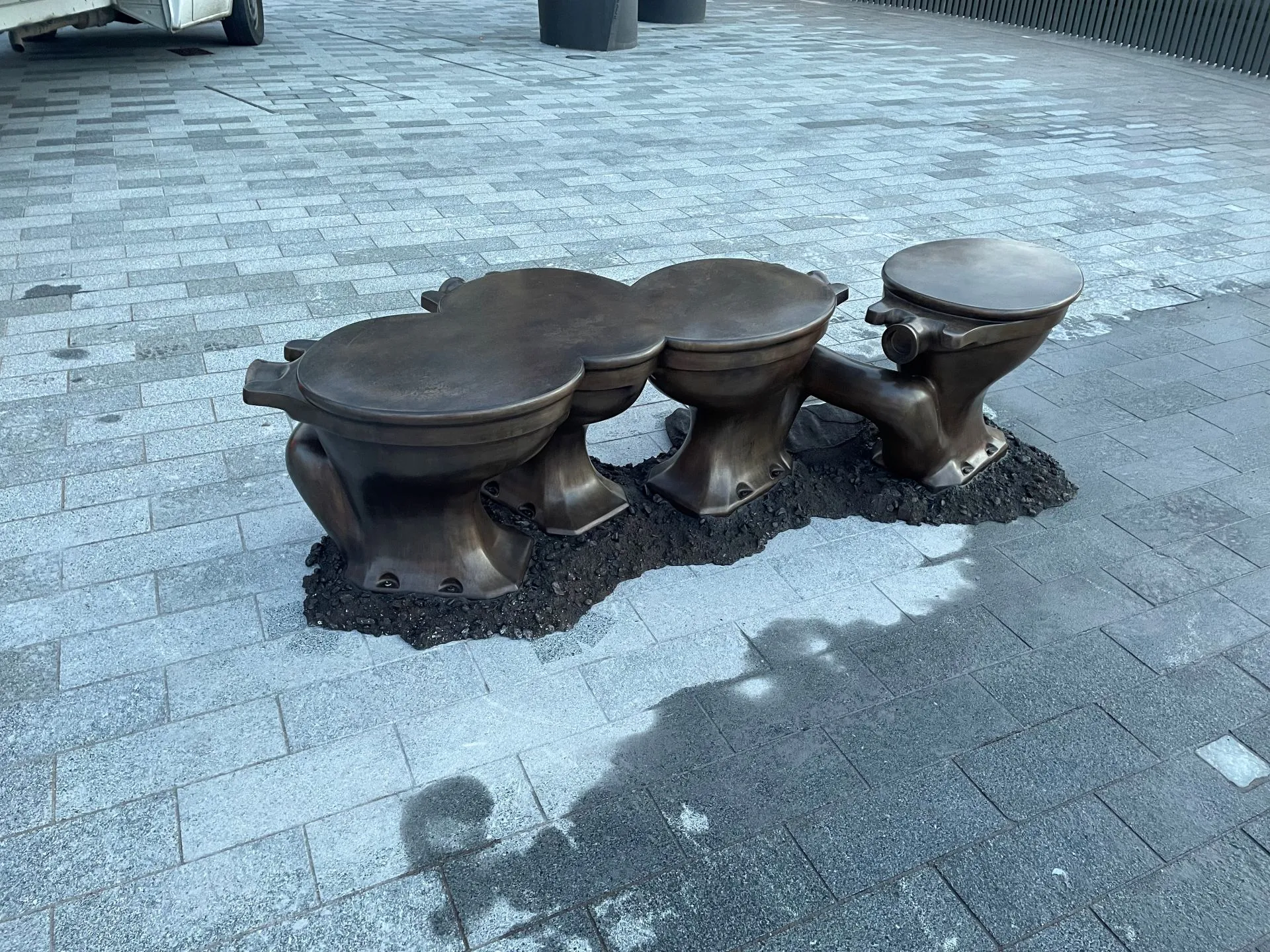
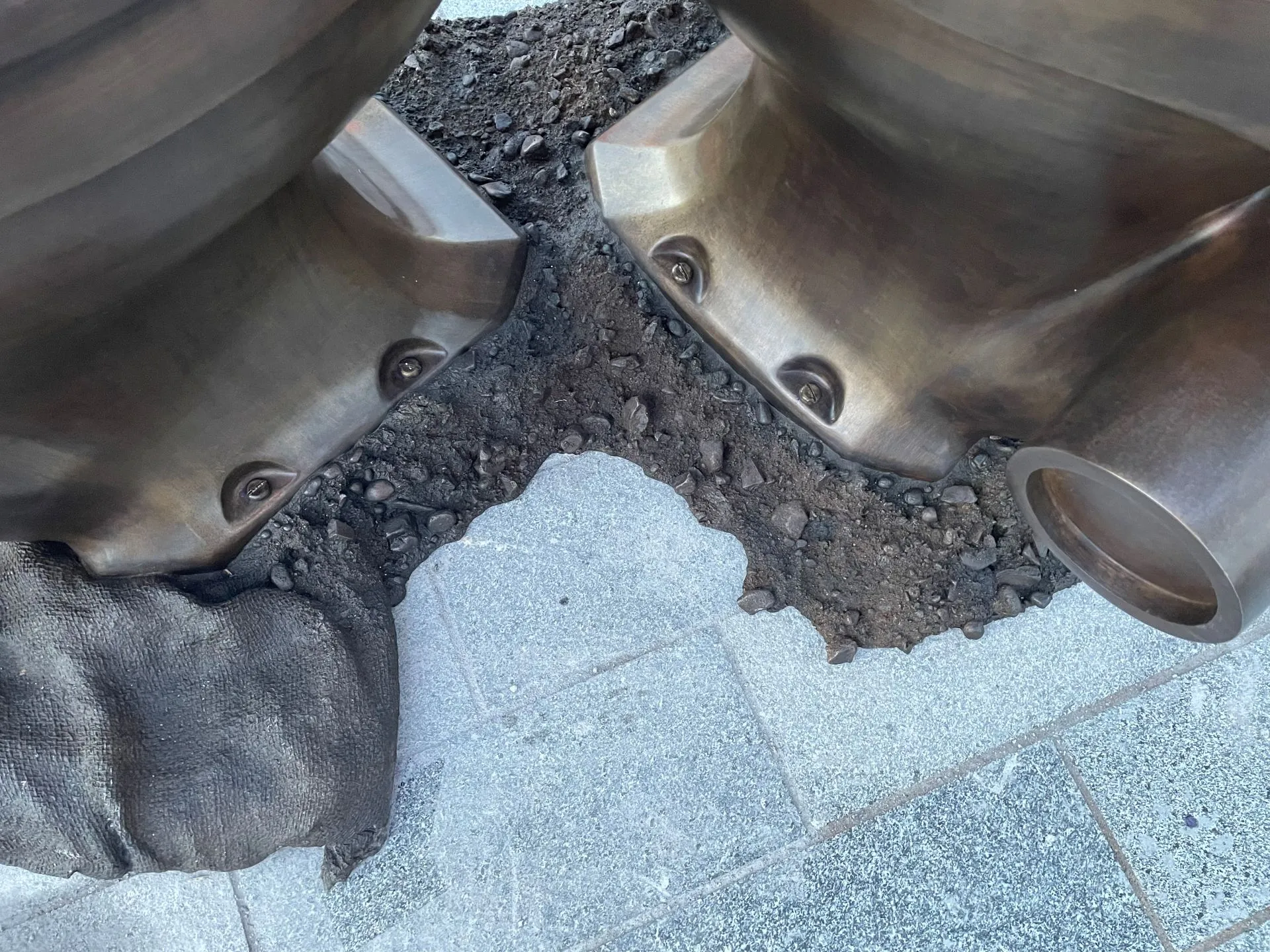
The sculptures – bronze toilet bowls placed side by side and joined together – playfully reference a subject that normally remains hidden: waste streams in the city. A work that stands out for its form, but above all for the message behind it: a focus on water quality and the impact of urban systems that you don’t normally see. In doing so, Wentworth makes the invisible visible, without being didactic.
This fits within his broader body of work, in which he takes everyday objects out of their context and forces us to look at them differently.
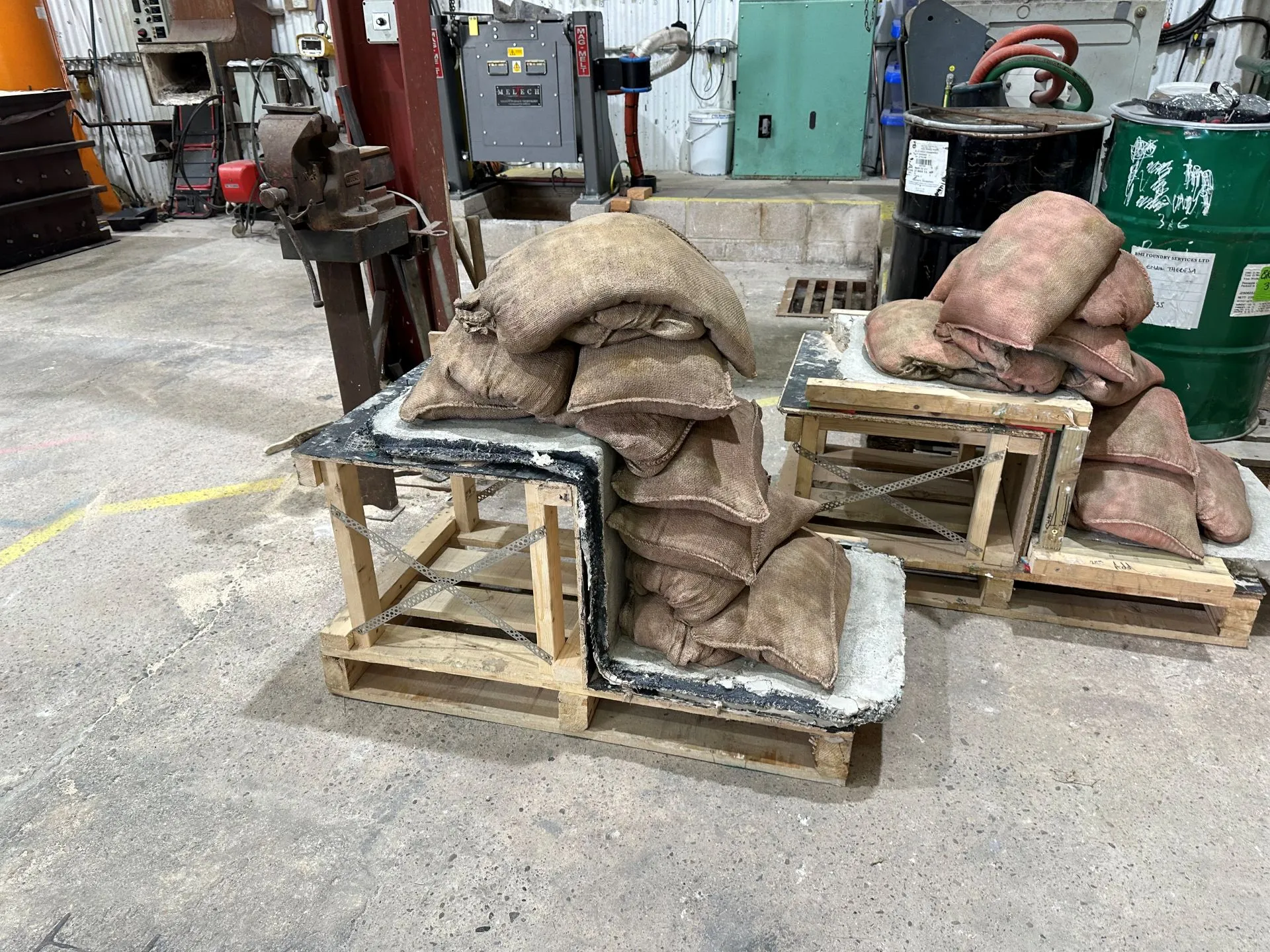
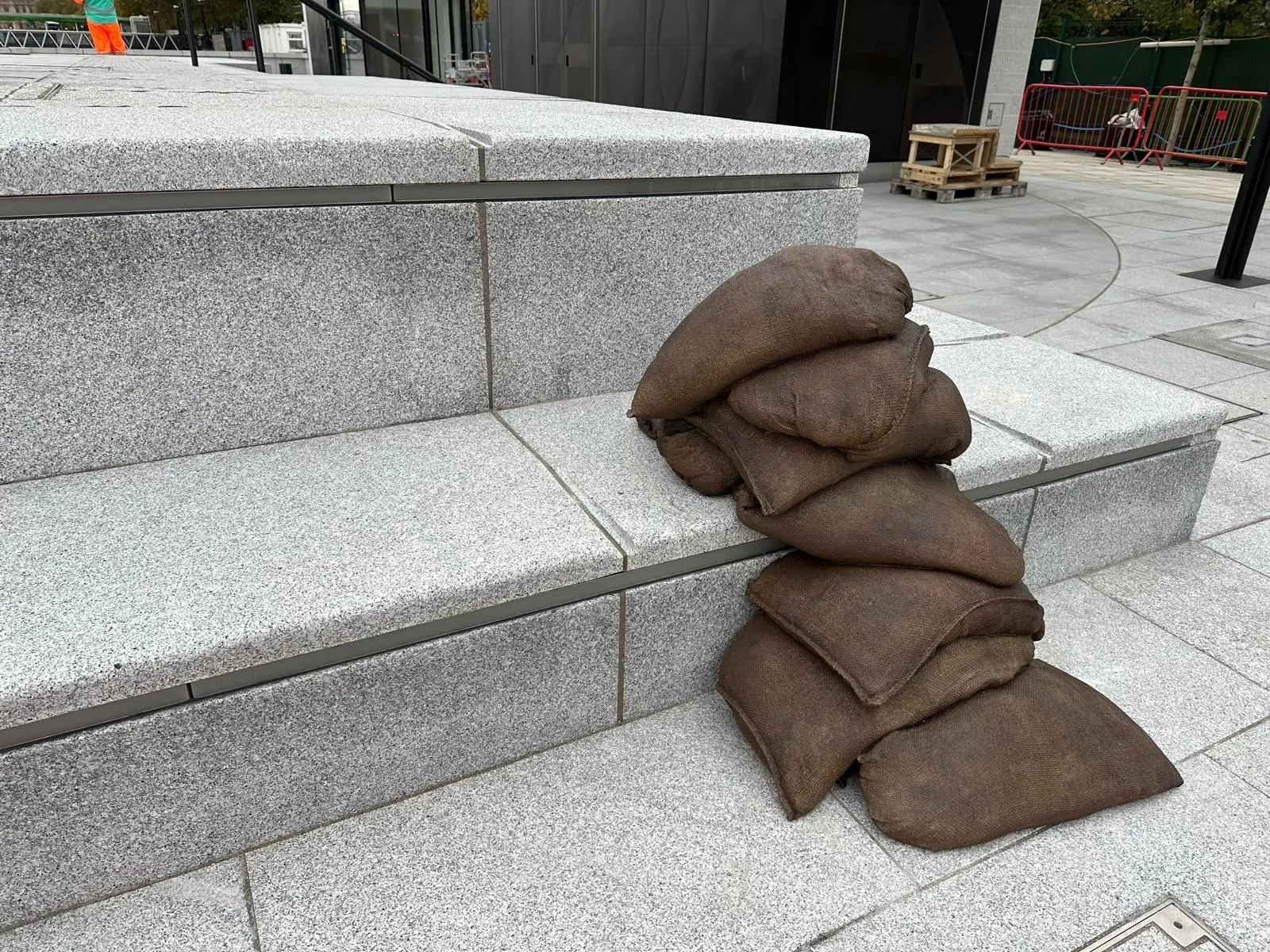
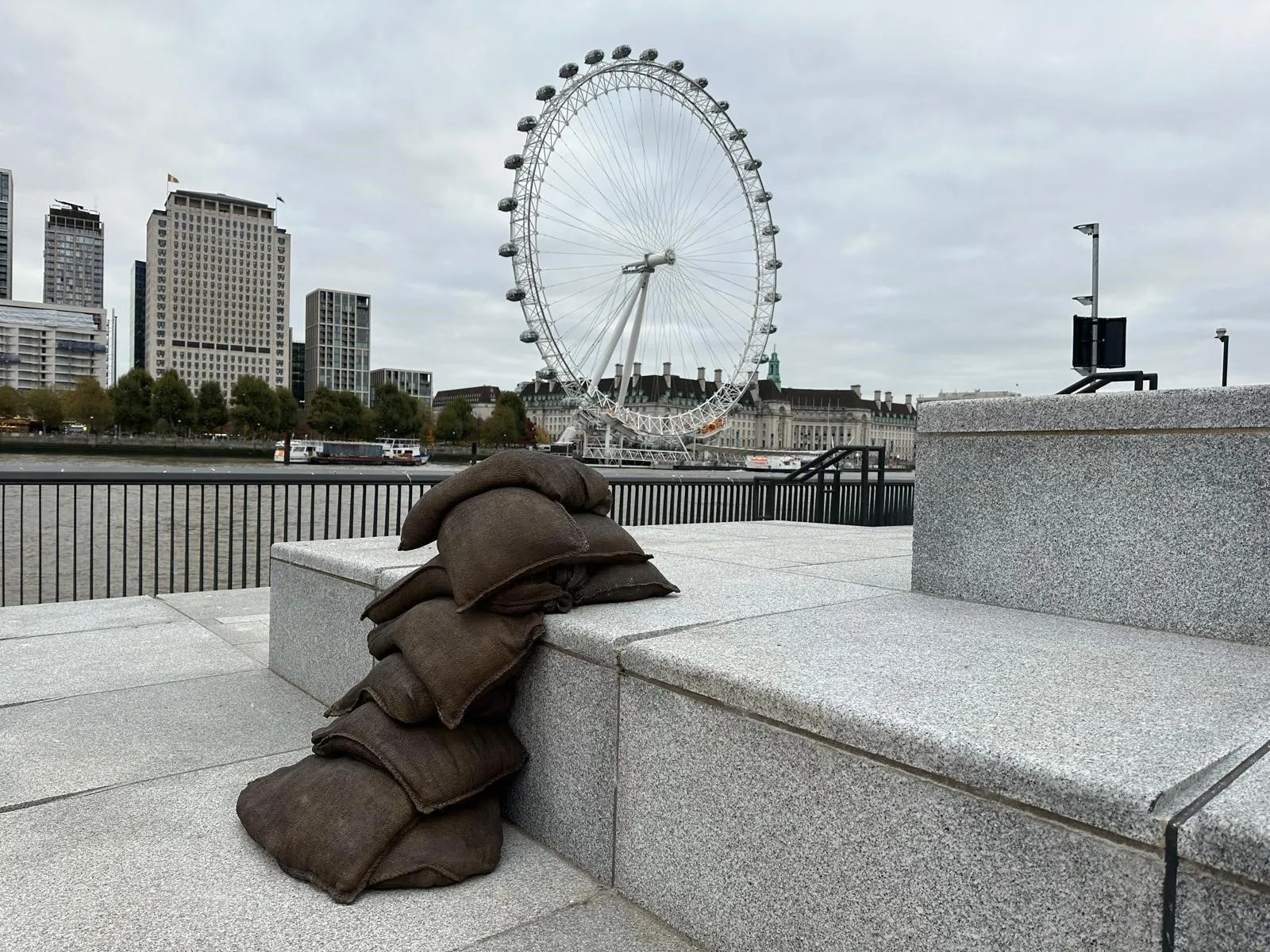
Another aspect of this conceptual art is the (sand)bags, which serve as a reference to the loading docks these quays once were. The level of detail in the finish is phenomenal and makes a simple object like a sandbag extraordinary. This is yet another fine example of how, in this case, the use of materials can make you look at everyday objects in a different light.
From design to realisation
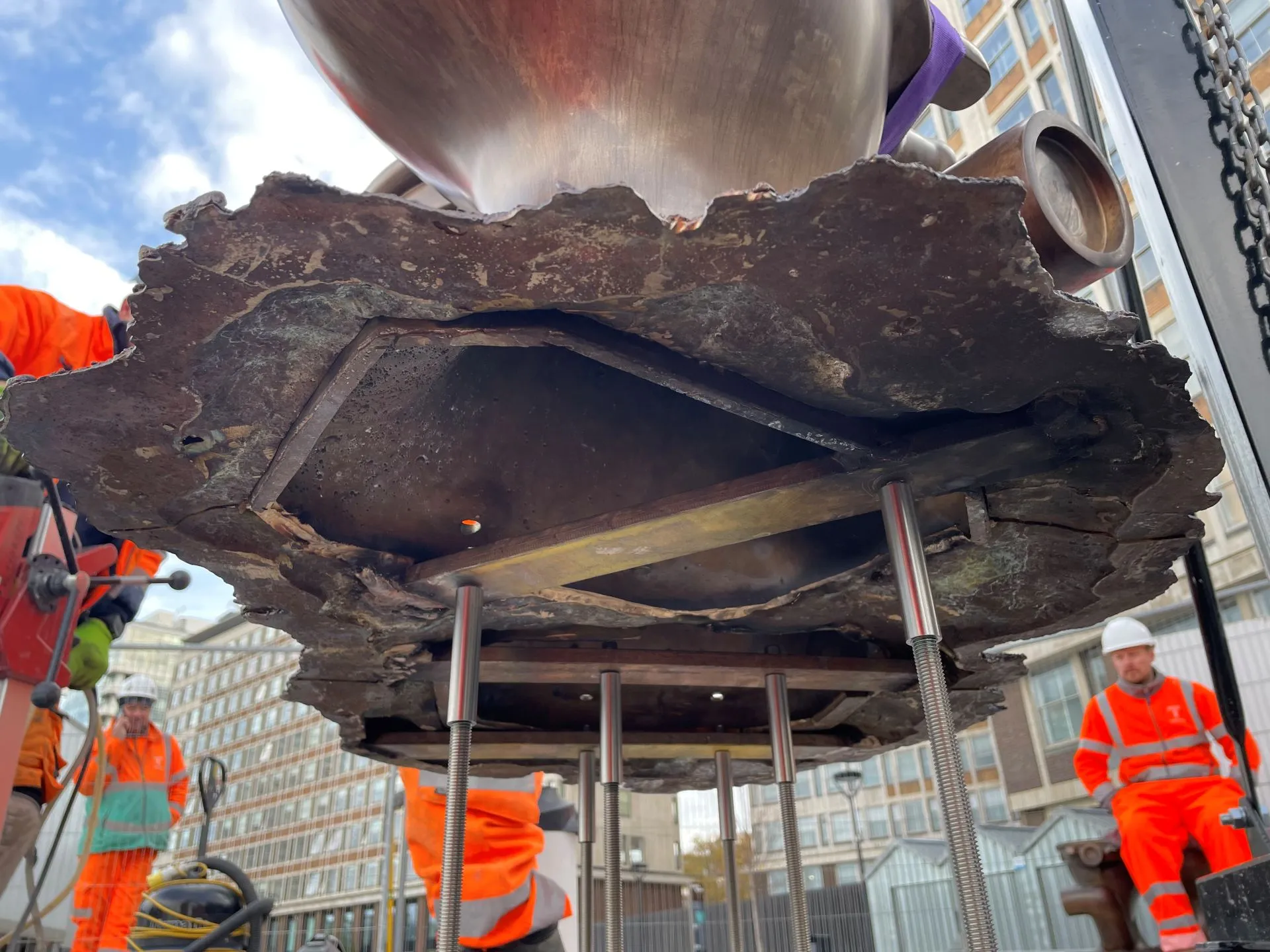
For Sorba, the challenge lay in translating this artistic concept into a feasible and durable end product. The sculptures are cast in bronze, a material that not only gives them a robust appearance but is also resistant to the conditions along the river.
Sorba was responsible for the engineering, production and installation of these complex elements. The organic forms and the ‘stacked’ character of the sandbags required precise execution and a controlled production process.
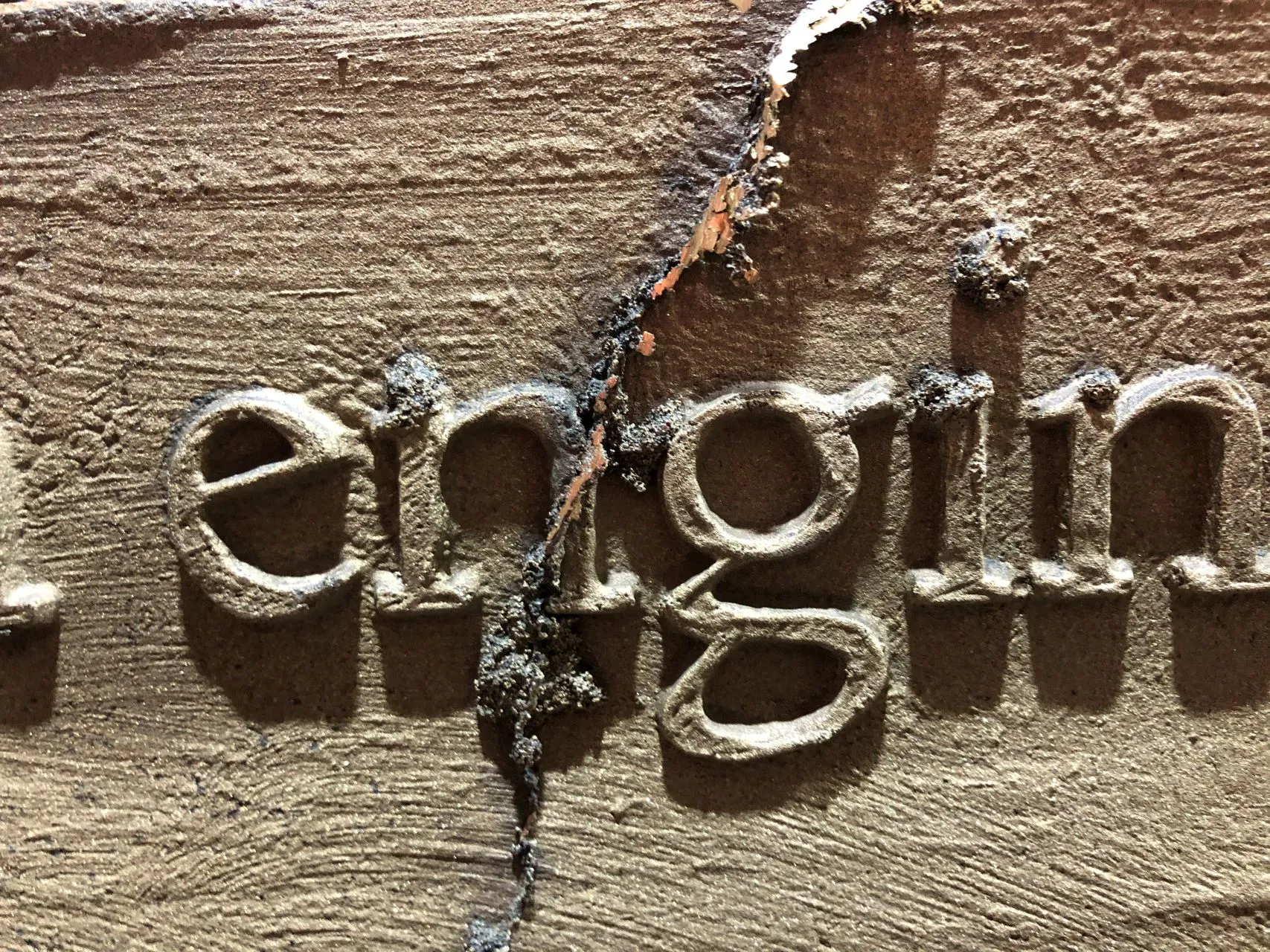
Every shape, seam and transition had to be just right to convincingly capture the seemingly random character of the design.
Materialisation and detailing
The choice of bronze gives the sculptures a timeless character. At the same time, the material ensures durability and minimal maintenance requirements in an urban outdoor environment.
The detailing is crucial: from the texture of the ‘sandbags’ to their relative positioning. It is precisely this precision that ensures the artwork remains credible and retains its power, both up close and from a distance.
Making technology visible
Whereas infrastructure is normally kept out of sight, here the opposite is true. The combination of technology and art makes the project accessible and visible to the surrounding area.
The sculptures serve as landmarks along the Thames and lend significance to a technically essential part of the city.
The perfect finish
The Victoria & Albert project demonstrates how infrastructure, art and craftsmanship come together. With Richard Wentworth’s bronze sculptures and Sorba’s execution, a functional element is given a new dimension.
No hidden technology, but a visible and tangible part of the city, with a story to tell.